Last month, the Council of the European Union adopted conclusions on promoting and protecting the mental health of children and adolescents in the digital era. DTH-Lab welcomes the conclusions which reinforce many of our recommendations for bold, multifaceted actions that can enable young people to realise their rights and thrive in a digital world.
Reducing the negative impacts of digital technology use on young people’s mental health is a priority for several European countries, including Poland who held the presidency of the European Union during the first half of 2025. In support of this agenda, DTH-Lab collaborated with the Polish Ministry of Health and WHO Regional Office for Europe to develop a policy brief on addressing the digital determinants of youth mental health and well-being.
On 20 June 2025, the Council of the European Union adopted conclusions onpromoting and protecting the mental health of children and adolescents in the digital era – highlighting the health risks of social media and digital technologies and reflecting broad consensus among countries on the need for a healthier, safer, and age-appropriate digital environment. Council conclusions are a formal record of discussions at European Council meetings. The meetings are an opportunity to debate pressing issues and propose actions to be taken by the European Union and member states.
Highlights from the Council conclusions – a mandate for action
The Council recognizes that a variety of digital determinants can impact young people’s mental health and well-being. Critically, it notes that: “In most cases it is not the digitalisation itself or the use of digital technologies per se that is the problem, but rather a group of digital determinants, such as, for example, user, conduct, environment, content and design, which may influence children’s and adolescents’ mental health.” This statement highlights the need to go beyond simplistic responses such as restricting young people’s access to technology or monitoring screentime, to looking at the intricacies of how digital content is delivered, the nature of the content that young people are exposed to, how digital platforms and devices are designed, and increasingly, the power of algorithms.
A clear message is directed towards digital platforms and technology developers to assess their potential impact on young people and take responsibility to address problematic online design practices and uphold requirements under existing legislative instruments such as the Digital Services Act.
The conclusions apply the precautionary principle often used in public health, stating that while more research is needed, preventive measures should be taken to mitigate potential risks to young people’s mental health from digital technologies. This gives a clear mandate to policymakers and public health agencies to take action while further evidence on the relationship between digital technology use and health outcomes is generated.
Referencing a DTH-Lab paper published in Lancet Public Health, the conclusions note that age is an important factor for designing interventions to promote healthy digital practices and mitigate digital harms. While children and adolescents are not a homogenous group, their age and stages of development make them particularly vulnerable to experiencing harms both on- and offline. The conclusions therefore advise that: “The use of digital technologies by children and adolescents is an essential part of a broader concept of risk behaviour prevention and prevention strategies at national level.”
Proposed measures to build a safer digital environment for young people
The European Council outlines a range of measures to reduce mental health risks associated with young people’s use of digital technologies and promote healthier, more balanced technology use. The proposed interventions align with the comprehensive, multistakeholder approach championed by DTH-Lab, including:
Develop campaigns to raise awareness across society of the importance of balanced technology use and raise knowledge of potential harms for children’s health, well-being and development;
Promote healthy lifestyles and ensure children and youth have access to a range of spaces and activities to reduce their reliance on digital technologies;
Promote digital hygiene and healthy patterns of technology use for whole families;
Expand digital and AI literacy and skills programmes for children, adolescents and families;
Introduce preventative policies to mimimize school-aged children’s exposure to harmful content and design features;
Insist that digital platforms take responsibility for the design of their products and content they host and comply with existing legislation;
Ensuring participatory processes to enabled children and adolescents to express their views.
The Council calls on the European Commission and member states to develop uniform standards for advice given to parents, caregivers and educators on digital hygiene and age-appropriate use of social media. DTH-Lab is undertaking several pieces of work that support this effort. For example, as part of our project on digital determinants of health, we are mapping existing legislative and non-legislative measures across the EU and worldwide to protect children and adolescents from digital harms. We are also analysing existing public health guidelines on young people’s digital technology use.
We stand ready to support the European Commission and its member states, as well as present and future presidencies, to translate the Council’s conclusions into action.
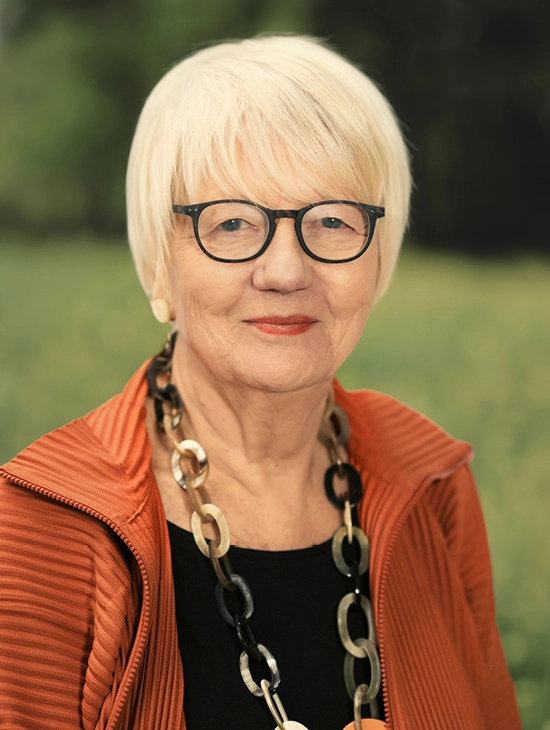
Ilona Kickbusch is the Director of the DTH-Lab. She is a visiting professor at the University of Geneva, the founding director, chair and senior distinguished fellow of the Global Health Centre at the Geneva Graduate Institute of International and Development Studies.
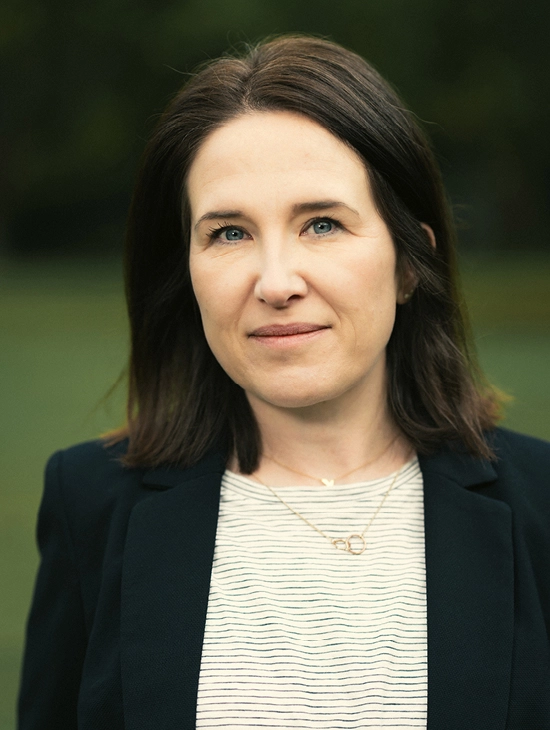
Louise Holly has more than 20 years’ experience of global policy analysis, research and evidence-based advocacy focused on advancing the health and rights of children, adolescents and youth.
Ilona Kickbusch is the Director of the DTH-Lab. She is a visiting professor at the University of Geneva, the founding director, chair and senior distinguished fellow of the Global Health Centre at the Geneva Graduate Institute of International and Development Studies. She is known throughout the world for her expertise and is a sought after senior adviser and key note speaker. Her areas of expertise include the determinants of health, health in all policies, and global health governance. She advises countries on their global health strategies, trains health specialists, and is involved in German G7 and G20 health activities. She publishes widely and serves on various commissions and boards. She has been awarded the Cross of the Order of Merit of the Federal Republic of Germany (Bundesverdienstkreuz) in recognition of her invaluable contributions to innovation in governance for global health and global health diplomacy. She has also been awarded the WHO Medal in recognition of her contribution to global health.
Louise Holly
Research and Policy Coordinator
Louise Holly has more than 20 years’ experience of global policy analysis, research and evidence-based advocacy focused on advancing the health and rights of children, adolescents and youth. Following roles with Save the Children and UNICEF, Louise worked as an independent consultant for several years supporting the Lancet and Financial Times Commission on Governing Health Futures 2030 and other organizations including Transform Health and PMNCH. In July 2023, Louise became the Policy and Research Coordinator at the DTH-Lab where she coordinates the consortium’s knowledge generation, analysis and policy influencing work.